
Optimizing spatial relationships, circulation, functionality, and usability to create environments that are both efficient and intuitive.
Space planning is one of the most important stages of architectural and interior design. Before materials, colours, or furniture are introduced, the relationship between spaces must be carefully established.
We study how each space will be used and develop layouts that support comfortable movement and logical connections. Public, semi-private, and private areas are organized according to the specific requirements of the project.
Special attention is given to circulation, furniture requirements, access points, openings, privacy, natural light, and flexibility. This helps avoid wasted areas while ensuring that important activities have sufficient room to function comfortably.
Our planning process can be applied to residential, commercial, workplace, hospitality, and other interior environments.
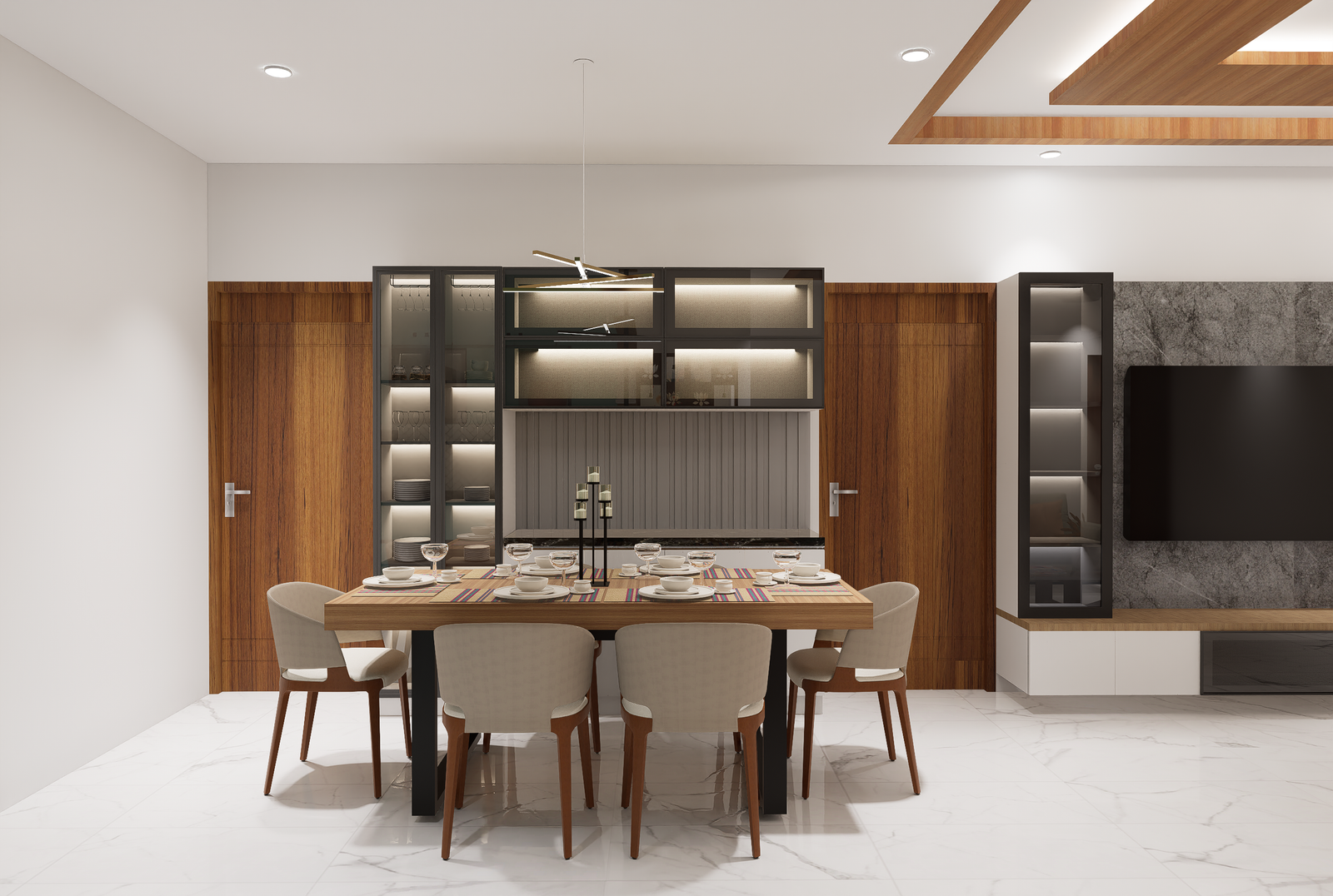
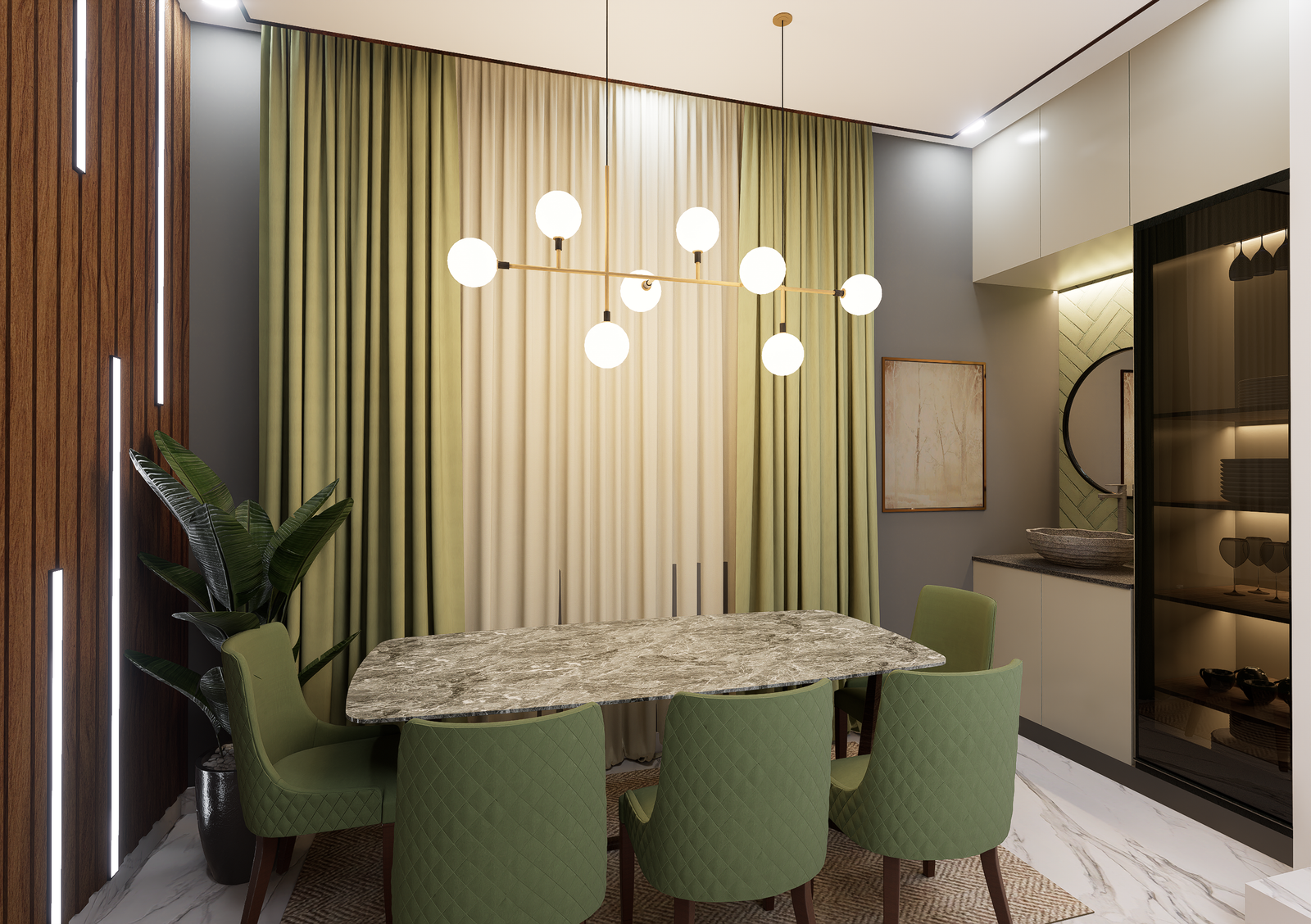
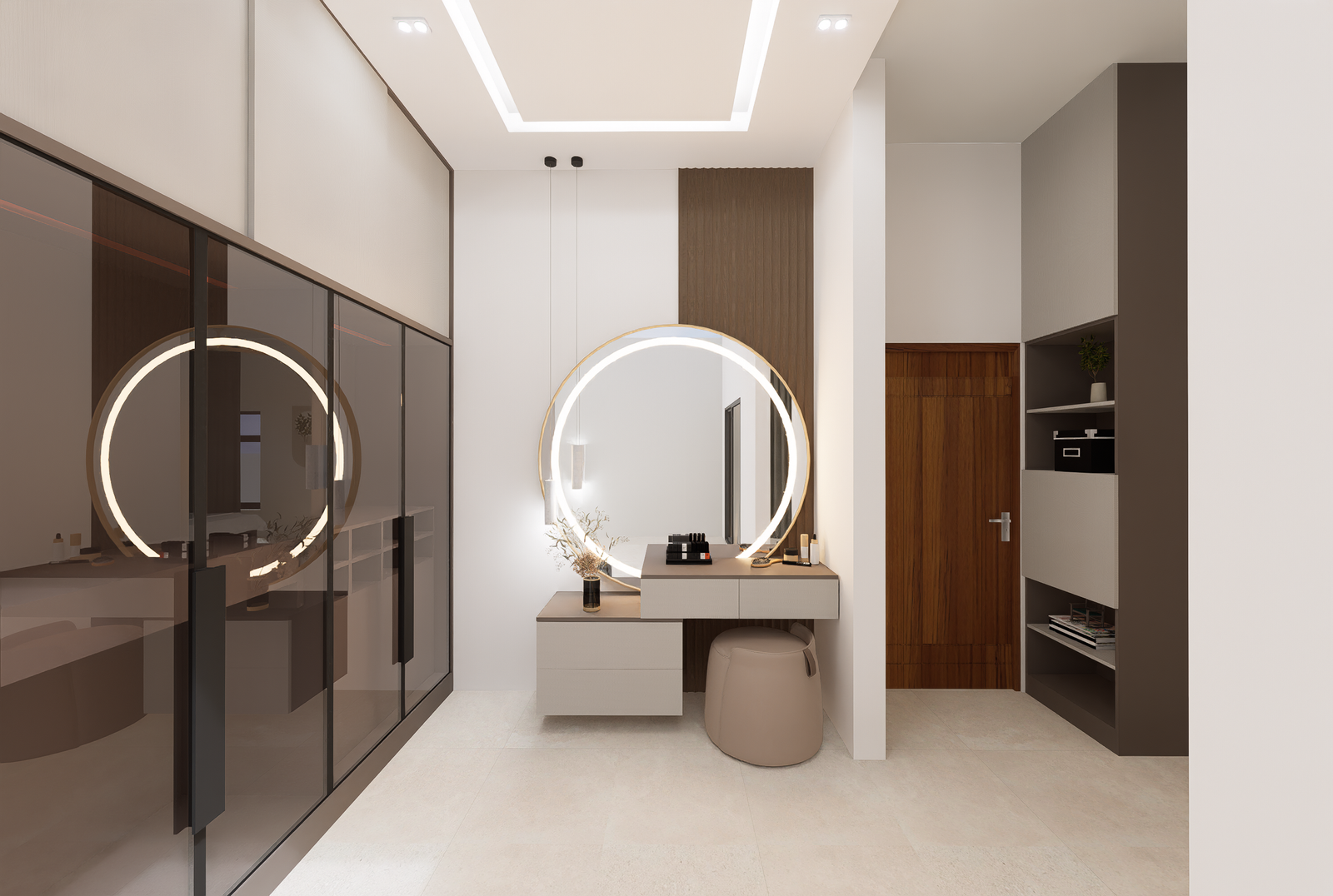
Our space planning philosophy focuses on efficiency without compromising comfort.
Every square foot is considered as part of the larger spatial experience. We create clear zones while maintaining visual and physical connections wherever they enhance the design.
The result is a layout that feels organized, spacious, and intuitive, even when working within compact or challenging dimensions.
Effective space planning turns available area into usable, comfortable, and purposeful environments.
From the first idea to the final detail, Tattva Dhwani brings together thoughtful planning, design expertise, and technical understanding to create spaces that are functional, refined, and deeply connected to the people who use them.
Whether you are developing a new home, transforming an existing space, or planning a commercial environment, our team works closely with you to turn your requirements into a considered design solution.
Space planning is the process of organizing rooms, functions, circulation, furniture, and activity zones so that the available area can be used efficiently and comfortably.
Yes. Existing layouts can be reviewed and reorganized to improve circulation, functionality, furniture placement, zoning, and overall usability.
Yes. Thoughtful planning is particularly valuable in compact spaces because it can reduce wasted areas and improve functionality without unnecessarily increasing the floor area.
Yes. Furniture requirements and circulation are important considerations when developing an effective space plan.

From concept to completion, Tattva Dhwani brings together architectural integrity and refined interiors to create spaces that come alive with character and soul.